
Here's the thing about lagers: everyone thinks they're simple. Clean. Easy. The training wheels of the beer world. And we get it, for a long time, "lager" meant the watery stuff your uncle bought in a 30-pack. That's not what we're talking about.
What we're talking about is Czech Dark Lager. Helles. Festbier. Munich Dunkel. Four styles that have been quietly outlasting every trend in the beer world for the better part of a century. We've built our entire 2026 Seasonal Series around them.
The craft beer conversation has been loud for years now. New hop varieties, pastry stouts, collab drops, whatever's happening on social media this week. We're not above any of it, but it's not really where our heads are. We keep coming back to the same question: what are the beers that deserve more of people's attention? What's actually good, like genuinely, historically, undeniably good?
Lagers. Every time. The answer is ALWAYS lagers.
So that's 2026. Four of them, spread across the year. Each one is rooted in a tradition older than most countries and brewed exactly the way it should be.
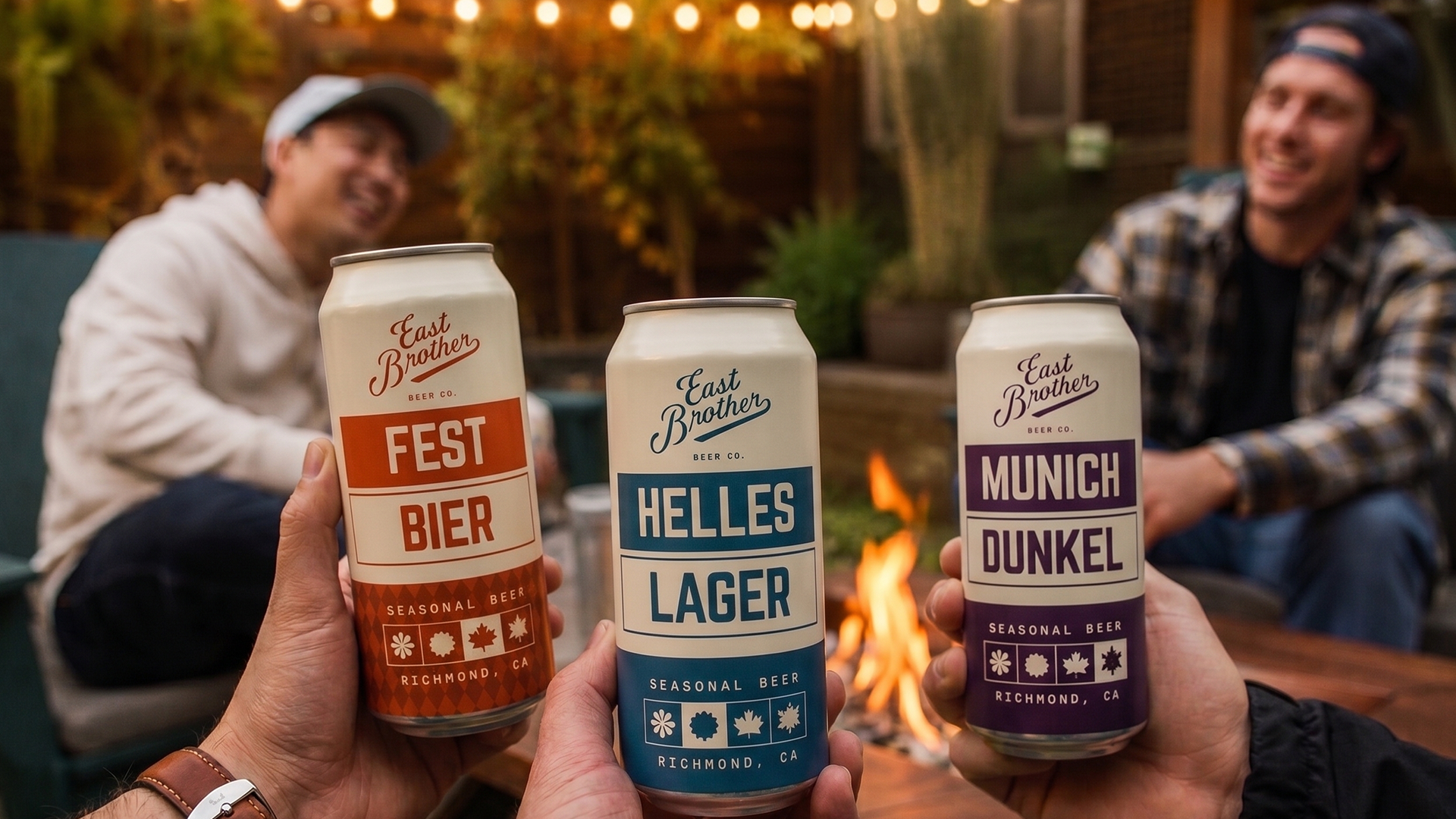
THE CANS GOT AN UPGRADE
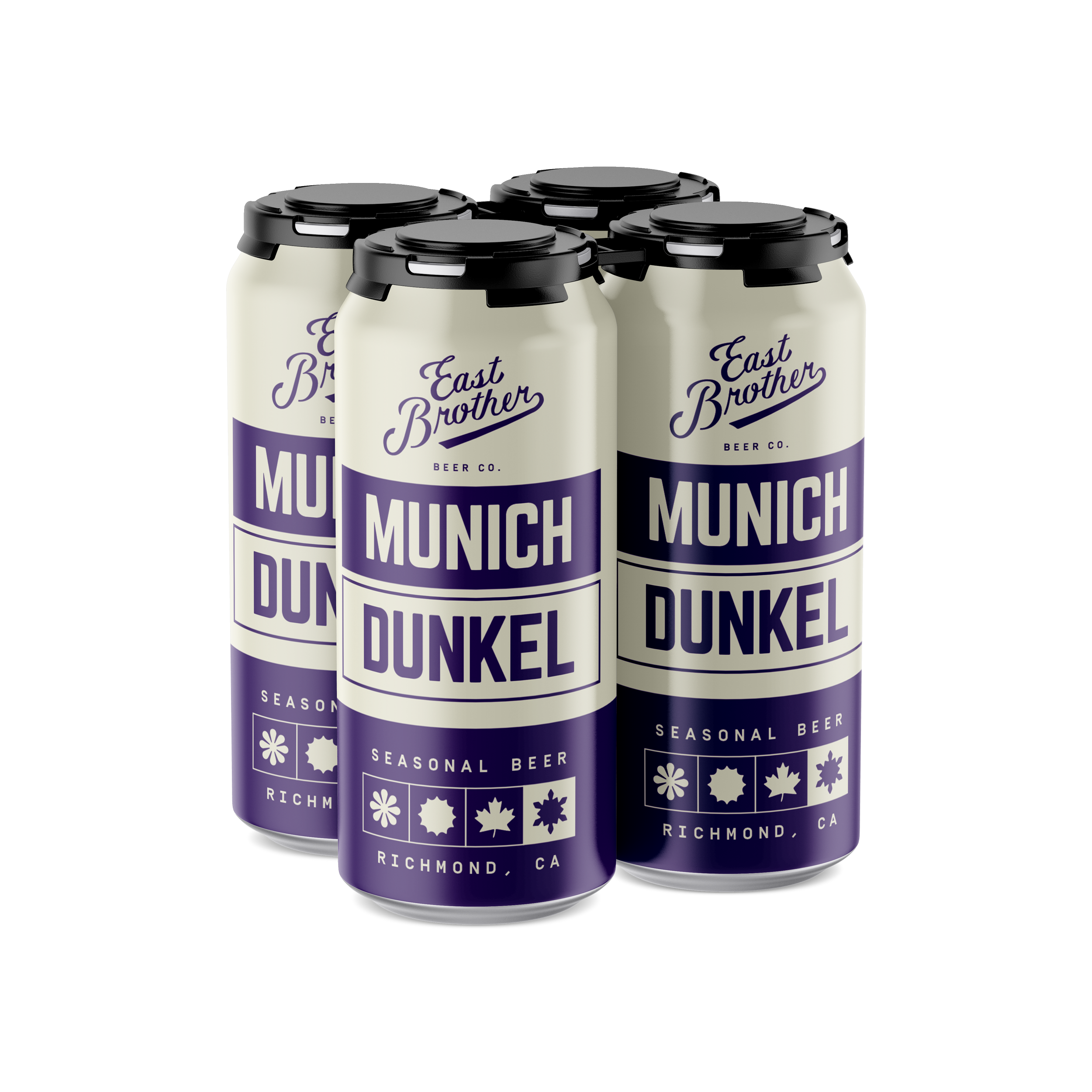
The old seasonal cans were cream with colored text. Clean and simple. We liked them. But this year, we wanted the seasonals to feel more like the rest of the East Brother lineup. So we brought in the color blocking.
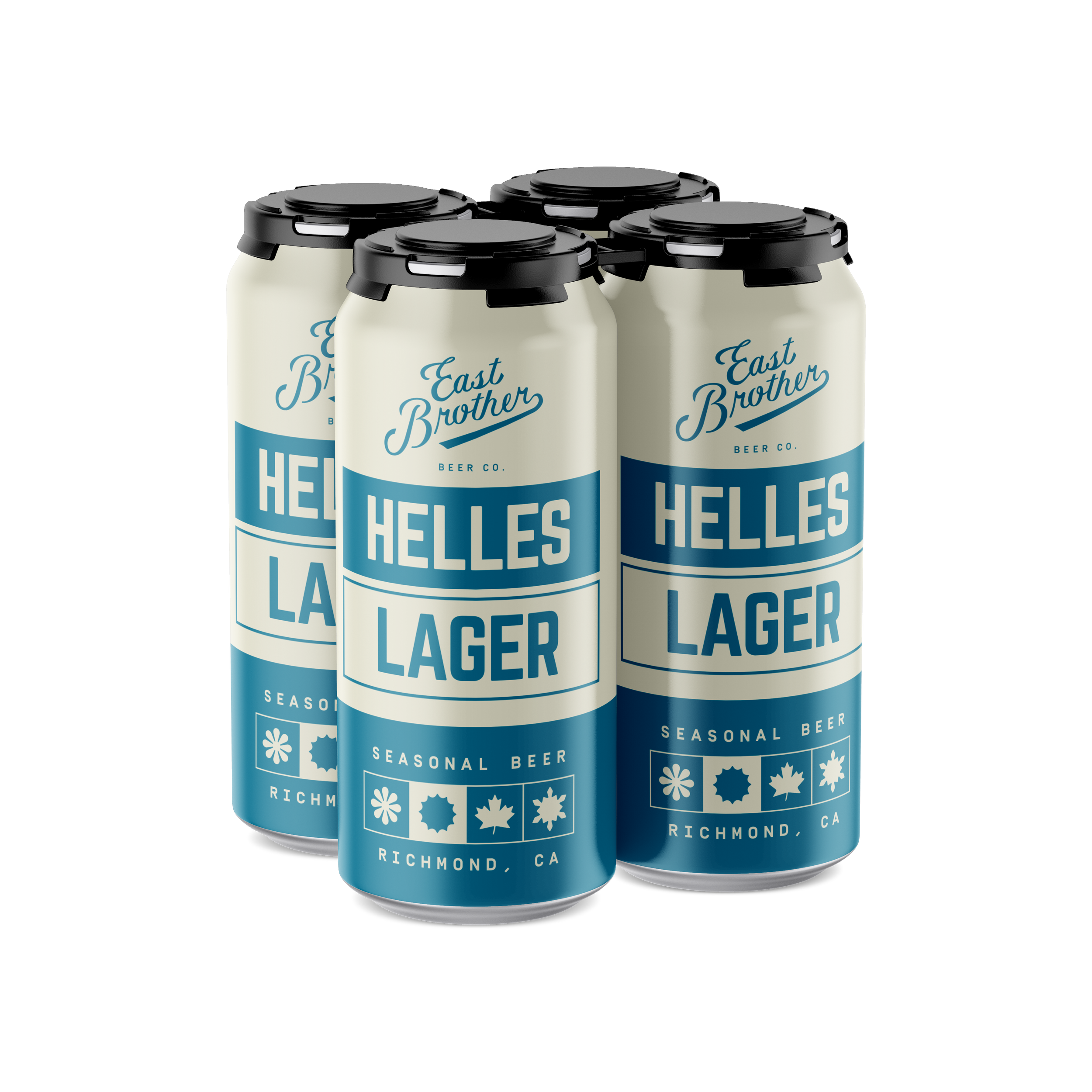
If you know us, you know the color blocking: that bold band of color across the bottom, a complementary color above, and our script logo right in the center. Each seasonal release gets its own color. The Helles is blue. The Czech Dark, Festbier, and Dunkel each have their own. Line them up, and you've got the whole year on your counter.
At the bottom of each can, four small icons: spring flower, summer sun, fall leaf, winter snowflake. One for each season, one for each beer.
The 2026 Lineup, Beer by Beer
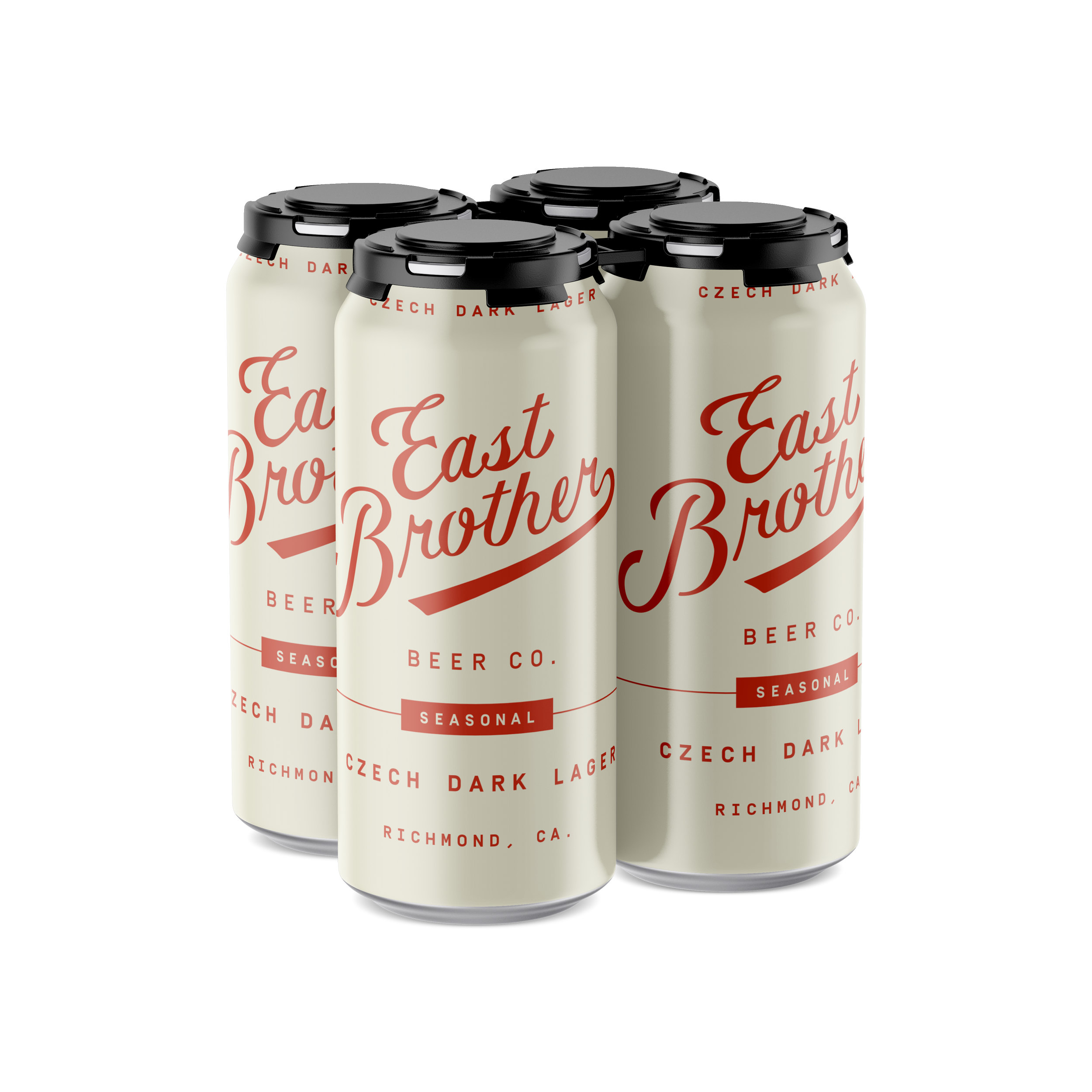
Czech Dark Lager — The One That Started the Year
5.7% ABV | Available Now
Tmavé Pivo — that's what they call it in Czech. It means dark beer. The style has been brewed in Bohemia for hundreds of years. It came before the pilsner, which most people think of as the original Czech beer. The dark lager got there first.
It pours dark brown with a reddish tint. Chocolate and burnt sugar on the nose, rich on the palate, but clean and dry on the finish. Lighter than it looks. At 5.7% ABV, it's technically a session beer. Most people are surprised by that.
One small thing: If you grabbed a 4-pack earlier this year, it's in the old label. First beer of the season, last to get the memo.
On draft and in 4-packs at all three taprooms and wherever we distribute near you.
Helles Lager — The Gold Standard
Nobody talks about the Helles the way they should. It's the beer Munich drinks on a regular Tuesday. It’s not a special occasion beer or a beer for people who really consider themselves “beer people.” Just a good, honest lager that shows up cold and clear and doesn't ask anything of you.
It's also one of the hardest beers to brew well. There's nothing to hide behind, no dark malt or big hop flavor. If something's off, you'll taste it immediately. Ours is soft and bready, with a dry finish that makes another one sound like a pretty good idea.
On draft and in 4-packs at all three taprooms and wherever we distribute near you.
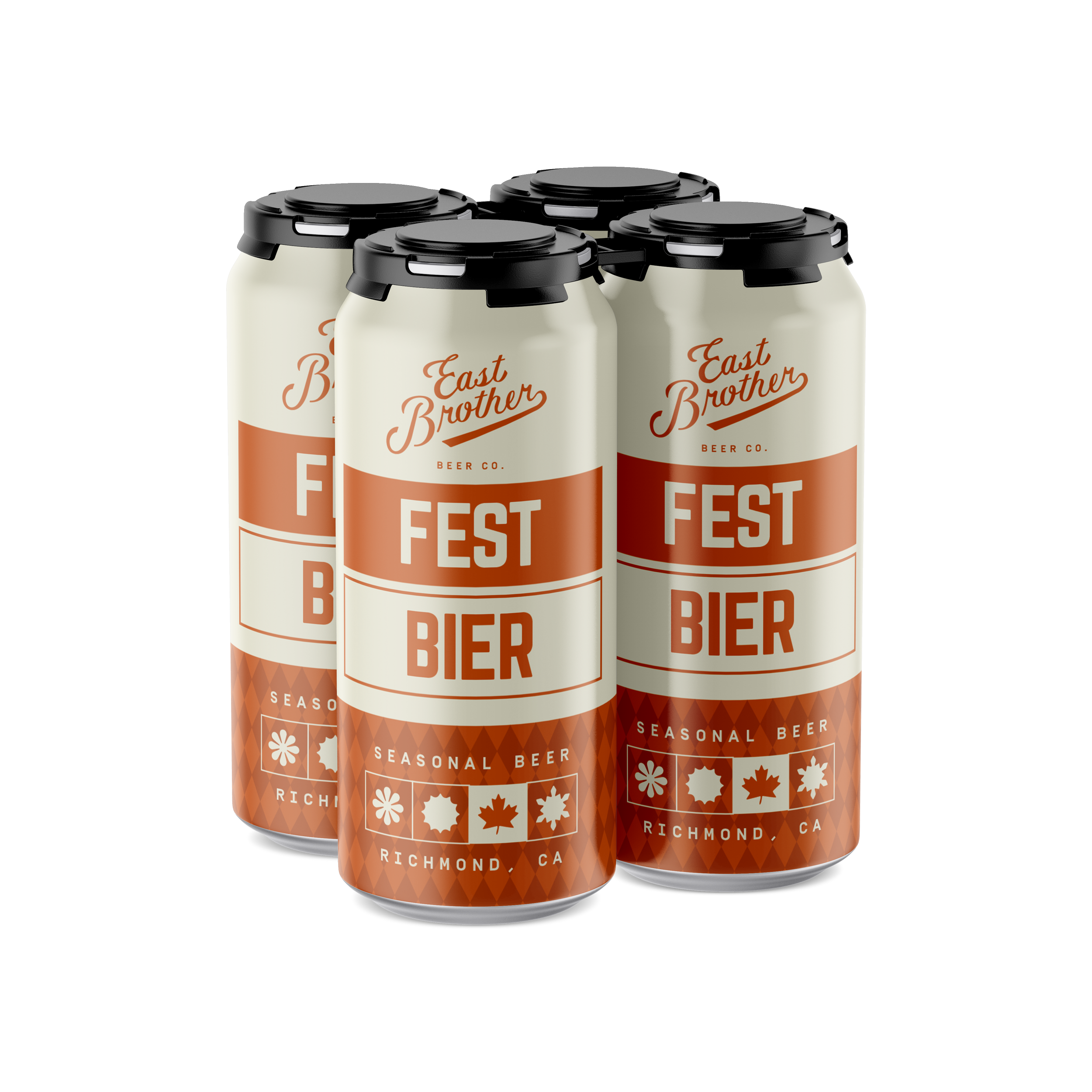
Festbier — Fest in the West
Releasing September, 2026
Festbier is the beer Munich chose to represent itself at Oktoberfest. For decades, they poured a darker, heavier beer called Märzen. In the 1950s, the big Munich breweries switched. They wanted something lighter — a beer you could drink all afternoon without slowing down. That became Festbier, and it's been Oktoberfest's official pour ever since.
Ours is golden, smells like fall should smell — floral and earthy from the Hallertau hops grown in Bavaria. Honey and fresh bread on the palate. 5.8% ABV. 24 IBUs. Built for rounds, not analysis.
This September, we're bringing it west, put it in your calendar.
Munich Dunkel — The Year's Last Word
Releasing November, 2026
The Dunkel is older than the pilsner. It was the original beer of Munich, back when all lagers were dark. There's no flash to it — toasted bread, caramel, a warmth that settles in on a cold night. You don't analyze it. You just drink it.
Rob said it simply about last year's batch: "Simple on the surface, but deeply satisfying when you take the time to notice it."
Full details closer to November.
A Note on the Pre-Pro Lager
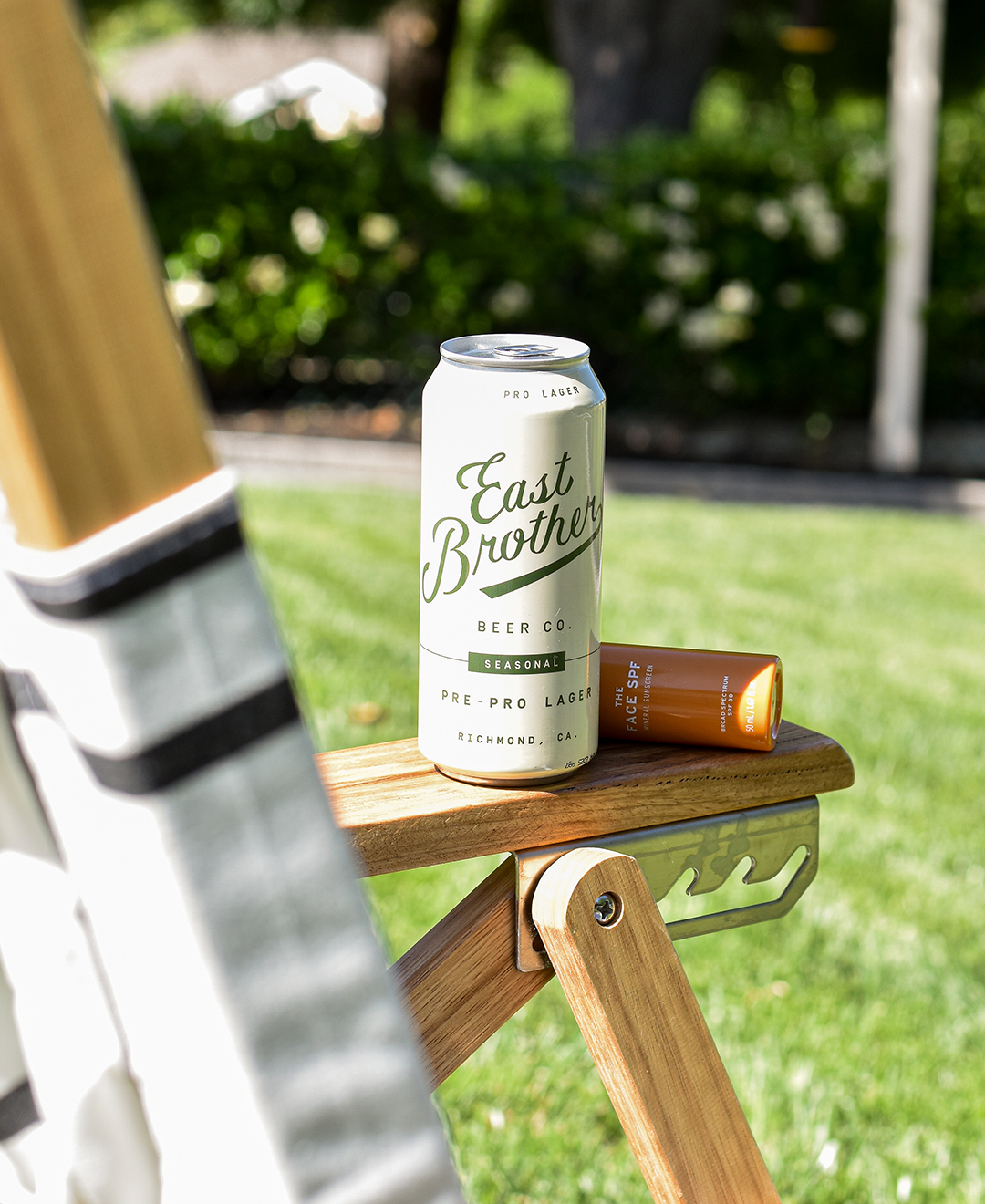
The Pre-Pro isn't happening this year, and we want to be straight about why.
It's one of our favorite beers to make. It's based on American lagers before Prohibition, brewed with six-row malt, flaked corn, and Cluster hops. Those ingredients are what give it that clean, slightly sweet flavor with a soft herbal finish that you won't find anywhere else in our lineup. Change them, and you're making a different beer.
This year, we couldn't source them to the standard we need. We could have substituted. We didn't. A Pre-Pro brewed with the wrong ingredients is just a lager with a good story attached to it. We're not interested in that version. It'll be back when we can do it right.
